When individuals speak about healing, they typically avoid past the first and most clinically vulnerable stretch: withdrawal. That omission matters. For lots of individuals with alcohol or drug dependence, the earliest days after stopping usage are not merely uncomfortable. They can be physically destabilizing, mentally intense, and difficult to predict without trained guidance. Inpatient detoxification exists for that reason.
The phrase can sound scientific, even impersonal, but the function is uncomplicated. Inpatient detox is a structured, clinically monitored setting where an individual withdraws from alcohol or other drugs with around the clock tracking and support. It is created to lower instant danger, ease signs where suitable, and create a much safer bridge into the next stage of treatment. For individuals who have tried to stop by themselves and discovered themselves pulled back by pain, panic, sleeping disorders, or yearnings, that very first layer of care can make the distinction between an incorrect start and a real beginning.
A treatment center like Recreate Behavioral Health of Ohio in Gahanna, near Columbus, describes inpatient medical detox in useful terms. The facility offers clinically monitored detoxing for drug and alcohol addiction, including care for alcohol, opioids, and fentanyl. Its detox procedure includes 24/7 monitoring, medications to decrease withdrawal symptoms, assistance for hydration and nutrition, and emotional support during the withdrawal duration. Just as crucial, detox and rehab services are provided in one facility, which allows an individual to move from detox into ongoing treatment without altering places or teams.
That connection is more important than it might sound on paper. A person who is shaky, tired, dissuaded, and uncertain about staying in treatment is typically more likely to continue when the handoff is warm and immediate instead of fragmented.
What inpatient detoxification really means
Drug detoxing is often misunderstood as a total treatment for dependency. It is not. Detox is the first phase, concentrated on stabilizing the body as substances leave the system and withdrawal symptoms emerge. For some people, that phase lasts only a few days. For others, it can extend longer depending on the compound included and the individual's general condition. Recreate states that the common withdrawal or detox period has to do with 5 to 10 days, depending on the substance.
The inpatient part means the person stays at the center throughout this time rather than returning home each day. That arrangement matters due to the fact that withdrawal seldom follows a tidy schedule. Symptoms can intensify at night, anxiety can spike all of a sudden, cravings can heighten after a meal or throughout a quiet hour, and an individual's resolve can collapse quickly when discomfort sets in. A staffed environment modifications those variables. Important indications can be monitored, medications can be administered when clinically proper, and staff can react in genuine time if symptoms worsen.
Medically monitored drug detox is not only about safety in the narrow sense of emergencies. It is also about minimizing suffering enough that a person can remain engaged. Someone who has not slept, can not keep fluids down, feels overloaded, or is caught in fear is far more likely to leave treatment early. Encouraging care, when delivered consistently, does more than make detox tolerable. It safeguards the opportunity of what comes next.
Why alcohol and opioid withdrawal requirement careful attention
People typically presume all withdrawal syndromes are generally the very same, but that is not how it operates in practice. The compound involved changes both the course of withdrawal and the type of support that may be required. Recreate specifically recognizes alcohol, opioids, and fentanyl amongst the substances it treats in detox, which matters because each can provide differently.
Alcohol withdrawal can end up being serious sufficient to need close medical oversight. Even when signs start with shaking, sweating, uneasyness, or nausea, the scientific picture can alter in time. A person may undervalue the risk due to the fact that they have "detoxed in the house in the past," however past experiences do not guarantee that the next attempt will drug detox recreateohio.com unfold the exact same way. One of the more difficult facts in addiction medicine is that a familiar pattern can still become dangerous.
Opioid withdrawal is often referred to as less clinically unsafe than alcohol withdrawal, however that shorthand can be misinforming if people hear it as "not a huge offer." Opioid withdrawal can be serious, unpleasant, and profoundly destabilizing. An individual because state might be desperate to stop the signs and therefore at high danger of leaving detox or going back to utilize before treatment has a possibility to work. Recreate notes that medication-assisted treatment belongs to its detox offerings, which is a significant information. Medications used during withdrawal management can reduce signs and help individuals remain in care rather than abandoning treatment at the hardest moment.
Fentanyl adds another layer of complexity. It has actually altered the landscape of opioid use in many neighborhoods, and people using fentanyl may get to detox with a high level of physical dependence. That does not indicate every case looks the very same, however it does imply a standardized or casual method is not enough. A medically monitored setting can respond to the individual in front of the group rather than relying on guesswork.
The very first day is normally less remarkable than individuals fear
Many individuals picture inpatient detox as a stark, chaotic environment, or they envision being tossed into immediate discomfort with little description. In a well-run medical detox setting, the start is typically a lot more deliberate than that.
An individual is confessed, assessed, and kept track of. Staff observe essential signs and watch for modifications in signs. Helpful care starts early. Recreate explains its process as including medication to lower withdrawal signs, hydration and nutrition support, and psychological support. Those details may sound fundamental, but in the first days of detox they are not small things. Dehydration aggravates weak point and confusion. Poor intake compounds fatigue. Unmanaged fear can tip a person from "I want help" into "I require to leave today."
A seasoned clinician learns quickly that sign concern is not just physical. Pity typically walks in the door beside withdrawal. So does grief. Some patients are terrified by what they feel in their body. Others are scared by what they feel as soon as the substance is no longer blunting their ideas. A qualified detox setting addresses both. Medical care and emotional support are not different tracks. In early healing, they are deeply connected.
What personnel are viewing during medical detox
From the outside, inpatient detox can seem uneventful. A patient rests, fulfills personnel, takes medications, beverages fluids, and waits on signs to crest and go away. Under the surface area, nevertheless, great detox care depends on continuous observation and adjustment.
Staff screen vital signs because withdrawal can impact the entire body. They track how symptoms are developing over hours, not just days. They enjoy whether a person is tolerating food and fluids. They see whether medications are assisting or whether symptoms are breaking through in spite of support. They likewise evaluate behavior and state of mind. Is the individual increasingly stressed, tired, irritable, withdrawn, or at danger of leaving? Those questions are not side issues. They influence whether the detox procedure stays stable.
This is where inpatient care differs sharply from trying to stop alone in your home. In the house, an individual has to analyze their own signs, decide whether they are workable, decide whether to eat or hydrate, choose whether they are safe to continue, and battle cravings without structure. In a center with 24/7 supervision, that burden is shared. The patient does not have to be the sole judge of how severe things are.
Who might benefit most from inpatient detox
Not everyone with a substance use disorder will require inpatient detox, however some situations plainly call for a greater level of guidance. In practice, the requirement typically ends up being apparent when somebody's home detox tries keep failing, when withdrawal signs become too intense to manage outside a facility, or when the compound involved carries a greater risk during withdrawal.
A couple of circumstances typically point toward inpatient detox:
The person is withdrawing from alcohol and requires close medical observation. The person depends on opioids or fentanyl and is unlikely to endure withdrawal without structured support. Previous efforts to stop have ended rapidly because symptoms or cravings ended up being overwhelming. The individual needs medication-assisted treatment or other medical withdrawal management. The person is most likely to remain engaged if detox is connected directly to the next level of care.That last point should have more attention than it normally gets. Preparedness for treatment is often fragile. A patient might lastly accept seek help after months or years of ambivalence. If detox takes place in one place and rehab starts somewhere else after a space, the momentum can vanish. Transportation falls through. Worry returns. Family dispute flares. The individual talks themselves out of continuing. A one-site design eliminates a few of those drop-off points.
Detox is the opening chapter, not the whole story
One of the most common misconceptions in dependency treatment is the belief that finishing detox means the dependency itself has actually been dealt with. It has not. Detox addresses acute withdrawal. It does not, by itself, resolve the patterns that sustain compulsive use.
That is why the continuum of care matters. Recreate states that detox might be followed by residential inpatient treatment, extensive outpatient shows, outpatient care, and peer support. The significance of that sequence is practical, not abstract. When a person is physically stable, the work shifts toward comprehending triggers, developing coping abilities, preserving inspiration, and remaining connected to support over time.
Think of detox as clearing the sound so treatment can actually start. During active withdrawal, many people are not in a great position to take in much therapy. Their body is demanding attention. Sleep is interfered with. Concentration is poor. Feelings swing. After stabilization, they can engage more totally in the much deeper work of recovery.
A treatment system that offers numerous levels of care in one continuum tends to make that shift smoother. The same company can typically continue what was learned in the very first week instead of going back to square one. Recreate emphasizes that clients can transition from detox into property treatment without changing locations or groups. That type of continuity can reduce friction at a point where friction is costly.
What a 5 to 10 day detox window truly informs you
When a center says detox normally lasts 5 to 10 days, some individuals hear that as an ensured schedule. It is much better understood as a common variety. Recreate usages that estimate while also noting that period depends on the compound. That is exactly the ideal level of caution.
Withdrawal is not a vending machine. You do not put in a variety of days and get a predictable outcome every time. One person might stabilize faster. Another might need longer observation or more steady medication support. The same substance can impact two people in a different way depending on the pattern of use and how their body responds.
Still, the 5 to 10 day range assists people set realistic expectations. Detox is not typically a single over night occasion, and it is not normally months long either. It is a concentrated period of care with a particular purpose: to get somebody through the clinically severe stage with enough stability to continue treatment.
For households, this variety can also reduce confusion. Loved ones often expect instant clarity after admission. They need to know whether the person is "much better" by the next morning. In reality, the first numerous days are frequently a time of close watching, incremental enhancement, and steady support rather than dramatic transformation.
The psychological side of withdrawal is not secondary
Clinicians who operate in detox enough time come to appreciate a simple fact: physical signs are only half the photo. Emotional distress can become the reason an individual leaves treatment early even when the medical side is being managed reasonably well.
Recreate consists of psychological assistance as part of its detox process, which ought to not be dealt with as a soft extra. It is main. Throughout withdrawal, people often experience fear, agitation, hopelessness, regret, irritability, and raw vulnerability. Some are facing the very first substance-free hours they have had in a very long time. Others are confronting the effects that brought them to treatment, strained family ties, lost work, financial damage, legal pressure, or the simple shock of recognizing how much control has actually slipped away.
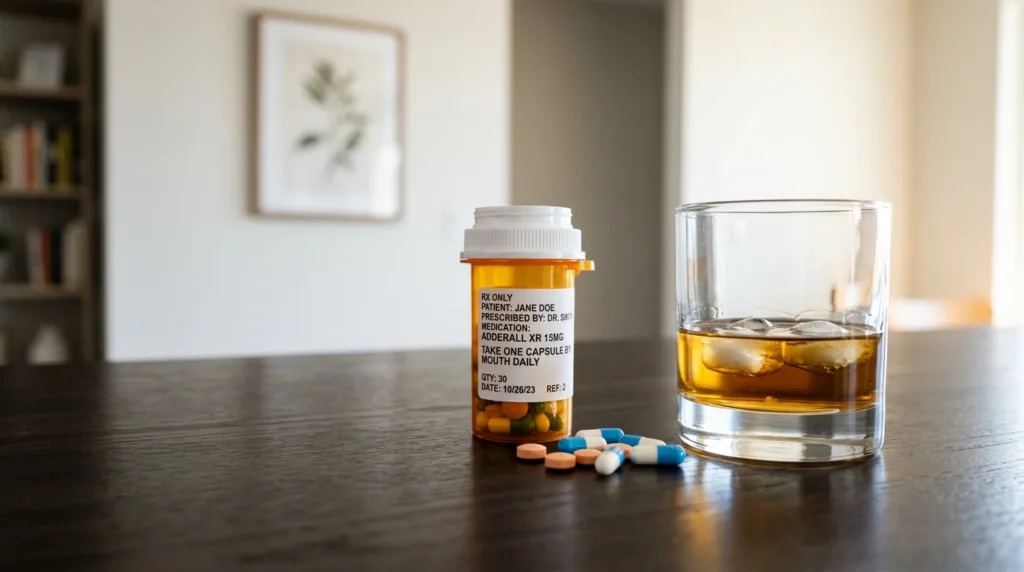
Support because setting does not need grand speeches. Typically it looks more modest and more useful. A calm description of what signs are anticipated. Reassurance that staff are enjoying and that the patient is not being left alone with escalating discomfort. Help surviving the next hour rather than forcing a person to imagine the rest of their life all at once. Excellent detox care respects how narrow an individual's window of tolerance may be in those early days.
The practical benefit of one facility for detox and rehab
On paper, transferring from one program to another might appear workable. In reality, it can end up being the moment recovery falters. Every new consumption indicates repeating unpleasant information, meeting new personnel, getting used to a new environment, and enduring a duration of uncertainty. For someone simply emerging from withdrawal, that can be a lot.
Recreate's model, where detox and rehab services are used in one center, addresses that problem directly. A patient who finishes inpatient medical detox can transition into property treatment without changing areas or teams. From a clinical perspective, that arrangement supports connection. From a human perspective, it lowers the possibility that the client decides, in a moment of fatigue or worry, not to continue.
That handoff matters because motivation is hardly ever stable in early recovery. People can truly want aid and still feel extreme advises to leave. They might say, "I feel better now, I can manage it from here," when what they truly suggest is "the structure is assisting, but I wish to leave the pain of staying." A smooth shift makes it much easier to transform a brief window of willingness into sustained treatment.
Questions worth asking before admission
People looking for detox are often moving fast, but a few practical questions can still clarify whether a program fits their requirements. When a center explains inpatient detox, it is affordable to ask how medical supervision works, what takes place after detox, and whether insurance can be reviewed before admission.
A short checklist assists:
Is detox medically supervised 24/7? Are medications used to reduce withdrawal signs when appropriate? What compounds does the program commonly treat in detox? What levels of care are readily available after detox? Can the facility assistance verify insurance coverage?Recreate addresses each of those locations in some type. It specifies that detox is clinically supervised around the clock, consists of medication-assisted withdrawal support, deals with alcohol, opioids, and fentanyl, uses a continuum of care after detox, and supplies insurance coverage confirmation support while accepting most major insurance coverage plans. For households trying to make decisions under tension, that kind of clearness is useful.
A note on licensing, operations, and trust
When individuals are searching for addiction treatment, trust is not constructed by marketing language alone. Concrete operational information matter. Recreate Behavioral Health of Ohio states that it is licensed by the Ohio Department of Mental Health and Dependency Providers and belongs to the Recreate Behavioral Health Network. The Joint Commission company locator also lists Recreate Behavioral Health of Ohio LLC at the very same Gahanna address and keeps in mind 24-hour weekday operations for the site.
Those realities do not inform you whatever about a patient's specific experience, however they do matter. Addiction treatment is among those fields where people typically arrive frightened, tired, and not able to do substantial window shopping. Basic markers such as licensing, location consistency, and clearly described services assist households cut through uncertainty.
The real aim of detox
The most honest way to describe inpatient cleansing is this: it buys stability at a minute when instability is dangerous. It provides the body a chance to start recuperating under supervision. It gives the patient a much better opportunity of withstanding withdrawal without going back to use. It offers the treatment team an opportunity to move quickly from crisis management into a longer recovery plan.
For somebody dealing with alcohol, opioids, or fentanyl, drug detox is not an indication of failure. It is often the very first useful act of recovery. The person is no longer attempting to white-knuckle through withdrawal alone, no longer pretending that suffering through it at home is the only choice, and no longer presuming that detox has to be chaotic or unmanaged.
At a center such as Recreate Behavioral Health of Ohio, the detox model is clearly positioned as both medical care and an entrance to continued treatment. That is how inpatient detoxing works best. Not as a separated occasion, however as the start of a continuum, with guidance during the hardest physical stretch and a direct path into deeper treatment once the body starts to steady.
For clients and families, that perspective can relieve some of the confusion. Detox is not the goal. It is the point where treatment ends up being possible. And for lots of people dealing with extreme alcohol or substance abuse, that is the point that changes everything.